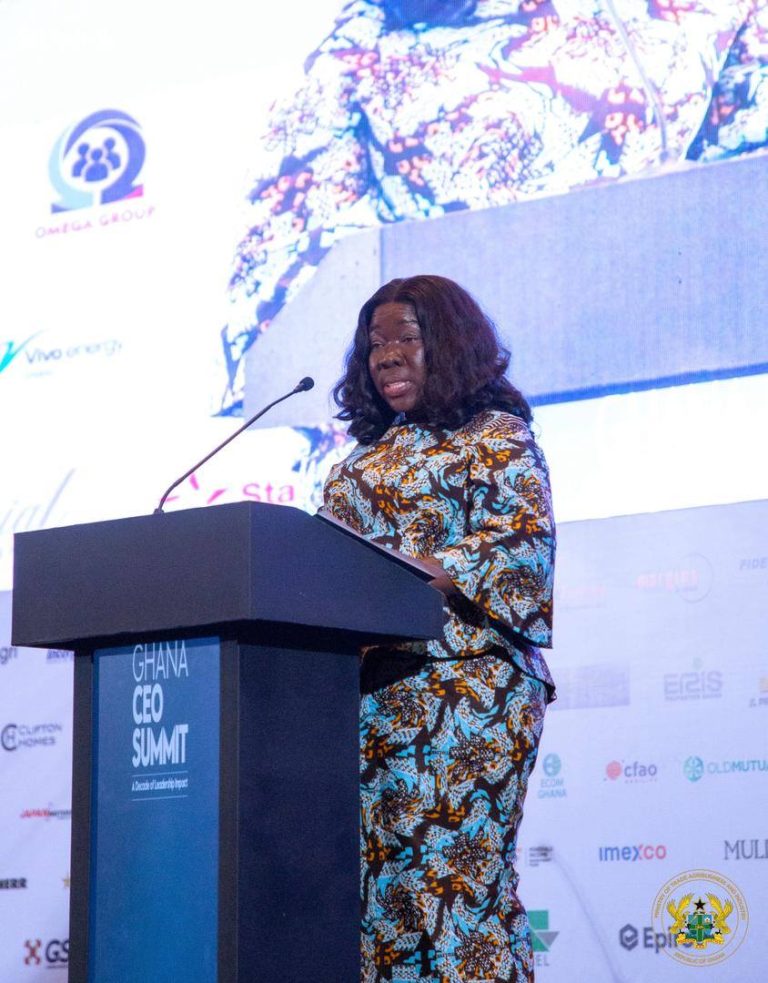
The Minister for Trade, Agribusiness and Industry, Mrs Elizabeth Ofosu-Adjare, has outlined a set of government policy interventions aimed at accelerating the economic participation of women in Ghana.
This is anchored by a GH¢401 million allocation to the Ghana Women’s Development Bank in the 2026 national budget.
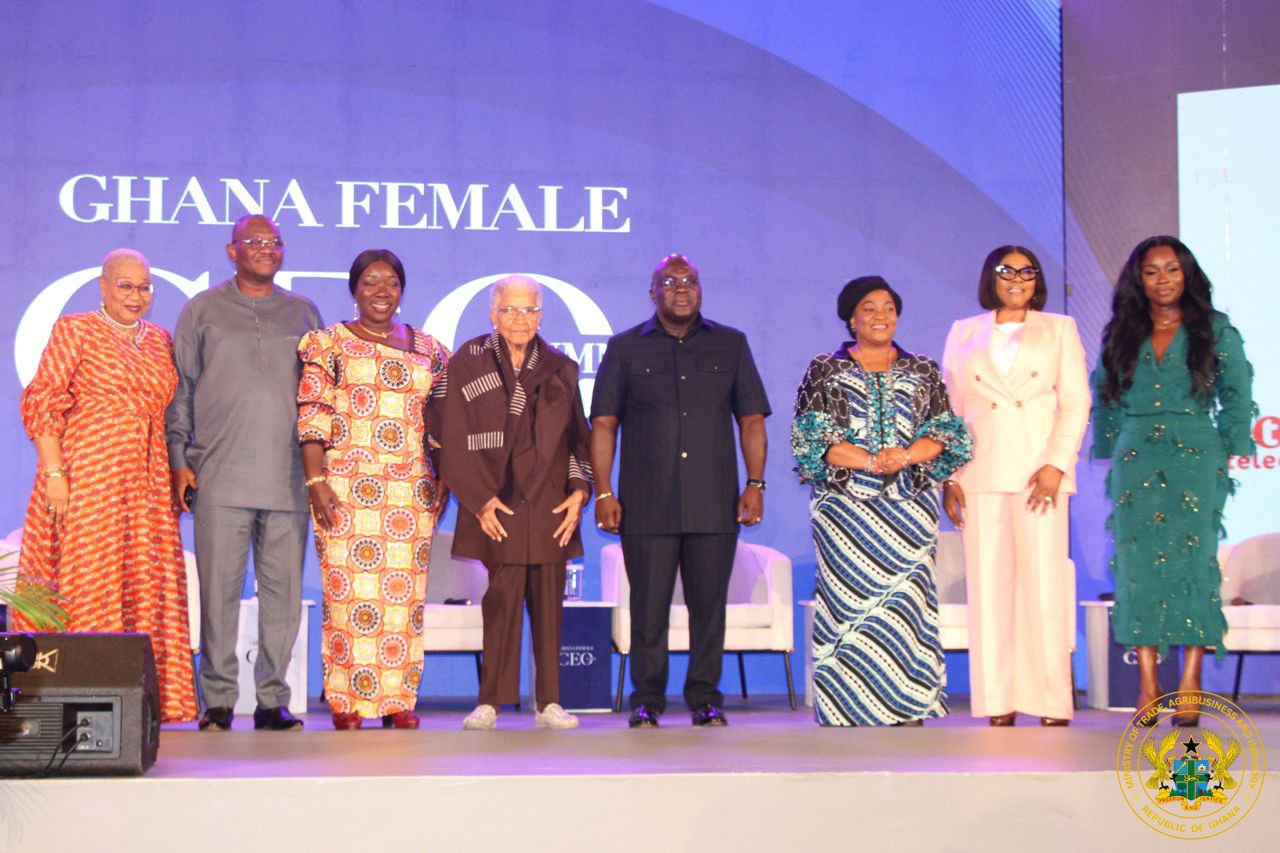
She announced this at the Ghana Female CEO Summit 2026, held in Accra, while addressing an audience of women business leaders, policymakers, diplomats and entrepreneurs.
The Minister described women as the engine of national growth, stressing that Ghana cannot achieve its full economic ambitions while a significant portion of its population remains underutilised.
She praised female entrepreneurs, chief executive officers, investors and innovators for their resilience and contributions to the national economy and noted that women-owned enterprises across Ghana continue to create employment, strengthen communities and sustain industries, despite the challenges they face.
She emphasised that the role women play in trade, industry, agribusiness and national development is critical and must be given the recognition and institutional support it deserves.
She announced that the government has allocated GH¢401 million in the 2026 national budget towards the establishment and operationalisation of the Ghana Women’s Development Bank.
The Minister added that the bank represents a deliberate and structured effort by the government to address the financing gap that has long constrained the growth of women-owned businesses in Ghana.
She also highlighted the 24-Hour Economy Authority Act, 2026, as a transformative policy initiative with direct benefits for women entrepreneurs operating in agro-processing, retail, manufacturing and hospitality.
She said the Act provides a framework of incentives, financing mechanisms and expanded business opportunities that will enable women-led enterprises in these sectors to scale and compete more effectively.
Mrs Ofosu-Adjare called for stronger collaboration among the government, the private sector, financial institutions and development partners to ensure that policy commitments translate into measurable outcomes for women entrepreneurs across Ghana and the African continent.
She said collective action across these stakeholder groups is essential to bridging the gap between stated policy intentions and the lived realities of women running businesses at every level of the economy.
The Chief of Staff at the Office of the President, Mr Julius Debrah, who delivered the Guest of Honour Address at the summit, reaffirmed the government’s commitment to empowering women-led businesses as a cornerstone of Ghana’s economic transformation and long-term resilience.
He said that institutions led by women are stronger, communities are more cohesive, and economies become more resilient.
He noted that the government will enhance financial access and mentorship, and foster a national culture that supports women-owned businesses to grow and scale.
He urged women entrepreneurs, chief executive officers and investors to serve as role models for the next generation of women in business.
Adwoa Koramah Anokye-Gyimah, ISD