Ghana and Sierra Leone have renewed their longstanding ties and charted a new course for bilateral cooperation, targeting agriculture, energy and health to align policies, ease trade barriers and support cross-border business growth.
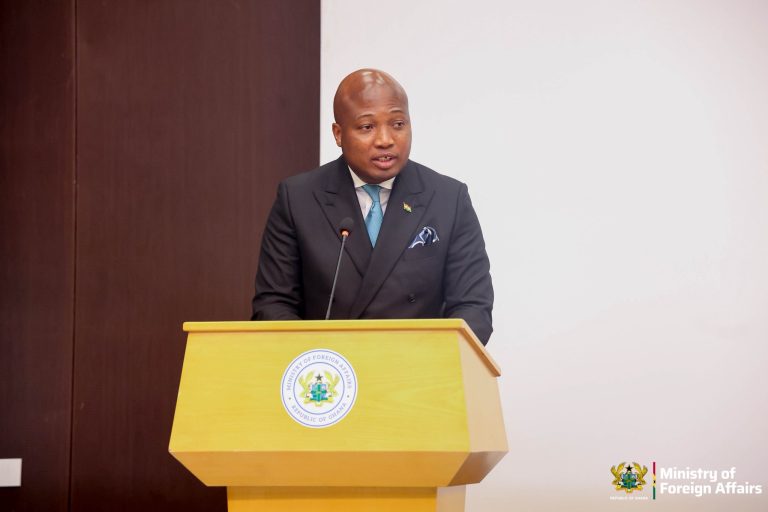
Speaking at the closing sessions of the Permanent Joint Commission for Cooperation (PJCC) in Accra on Thursday, the Minister for Foreign Affairs, Samuel Okudzeto Ablakwa, traced the historical links between the two countries to the colonial era, noting the role of education and early nationalist movements in shaping their shared path.
He said since formal diplomatic relations were established in 1960, both countries have expanded cooperation in trade, security, and people-to-people engagement and cited ongoing military collaboration, including training support provided by the Ghana Armed Forces to Sierra Leone.
“Ghana remains committed to supporting peace and security efforts in Sierra Leone, our cooperation in defence training continues to strengthen institutional capacity”, he stated.
Mr Ablakwa on the PJCC, described the session as long overdue, noting that the mechanism had not met since an agreement was signed in 2013.
“Today’s meeting responds to our shared desire to revive this important platform for cooperation,” he said.
He disclosed that six Memoranda of Understanding (MOU)and one agreement had been concluded during the session, covering sectors such as agriculture, energy, health, and security.
“There is no doubt that Ghana and Sierra Leone stand to gain from our joint efforts but these agreements must be followed through where the hard work begins now”, he added.
Mr Ablakwa said Ghana has established a delivery unit within the Ministry of Foreign Affairs to track implementation, adding that the MOU would not bring results on their own hence the necessary follow-ups must be carried out.
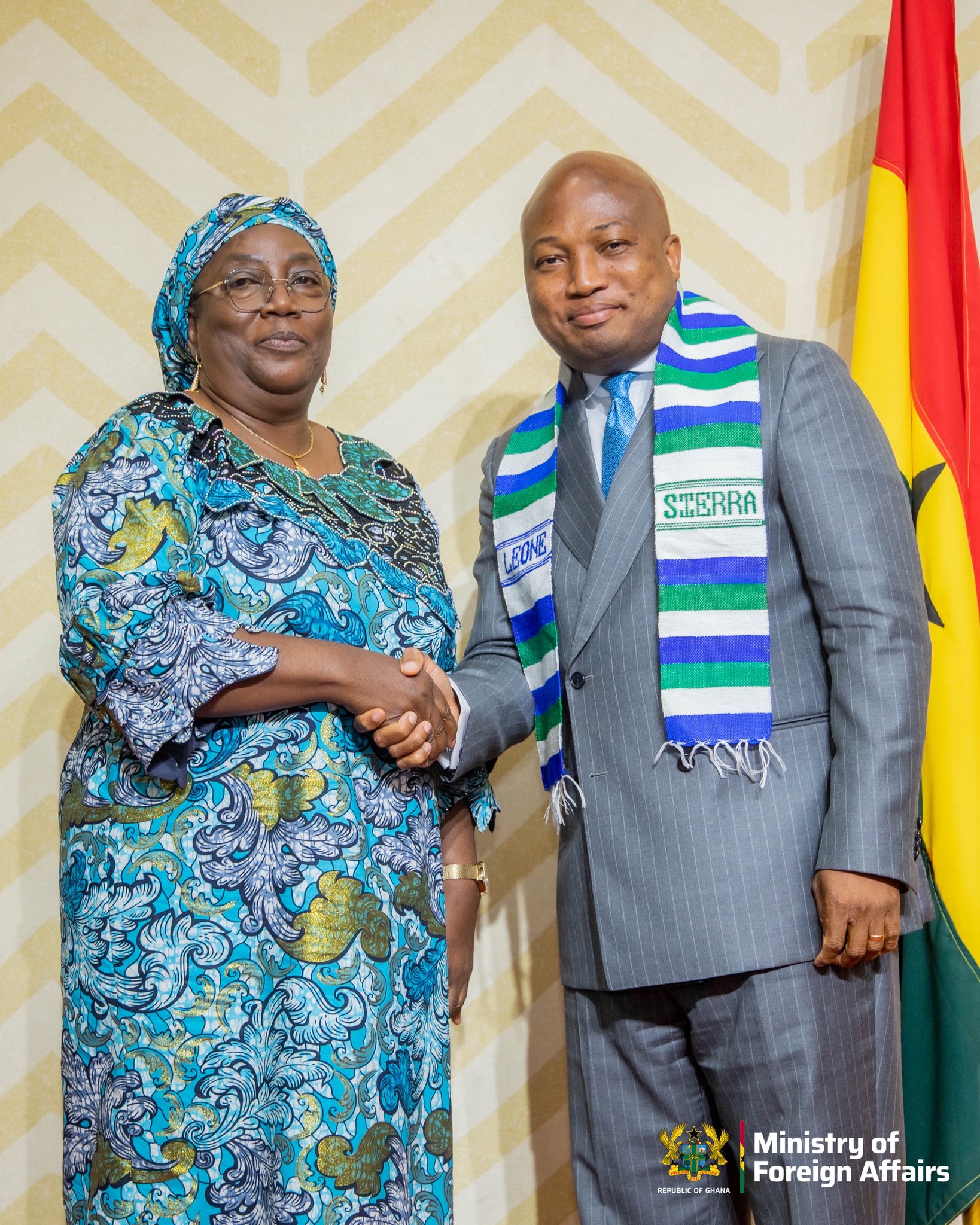
The Sierra Leone’s Deputy Minister for Foreign Affairs and International Cooperation, Frances Piagie Alghali said the PJCC meeting marks a new phase in bilateral relations and reflects a shared commitment to translating diplomatic ties into tangible development outcomes.
She said discussions by the technical teams focused on critical sectors including energy, trade, agriculture, health, defence, tourism, transport and aviation, which were essential for national development.
Madam Alghali added that it is their firm hope that these areas will unlock the potential for faster growth, peace and security in both countries, as well as greater prosperity.
According to her, the agreements are intended not only as diplomatic instruments but also as drivers of inclusive growth, job creation and stronger economic resilience in both countries.
Joyce Adwoa Animia Ocran, ISD