The Africa Group at the United Nations has called on member states to support a draft resolution that seeks to declare the trafficking and racialised chattel enslavement of Africans as the greatest crime against humanity.
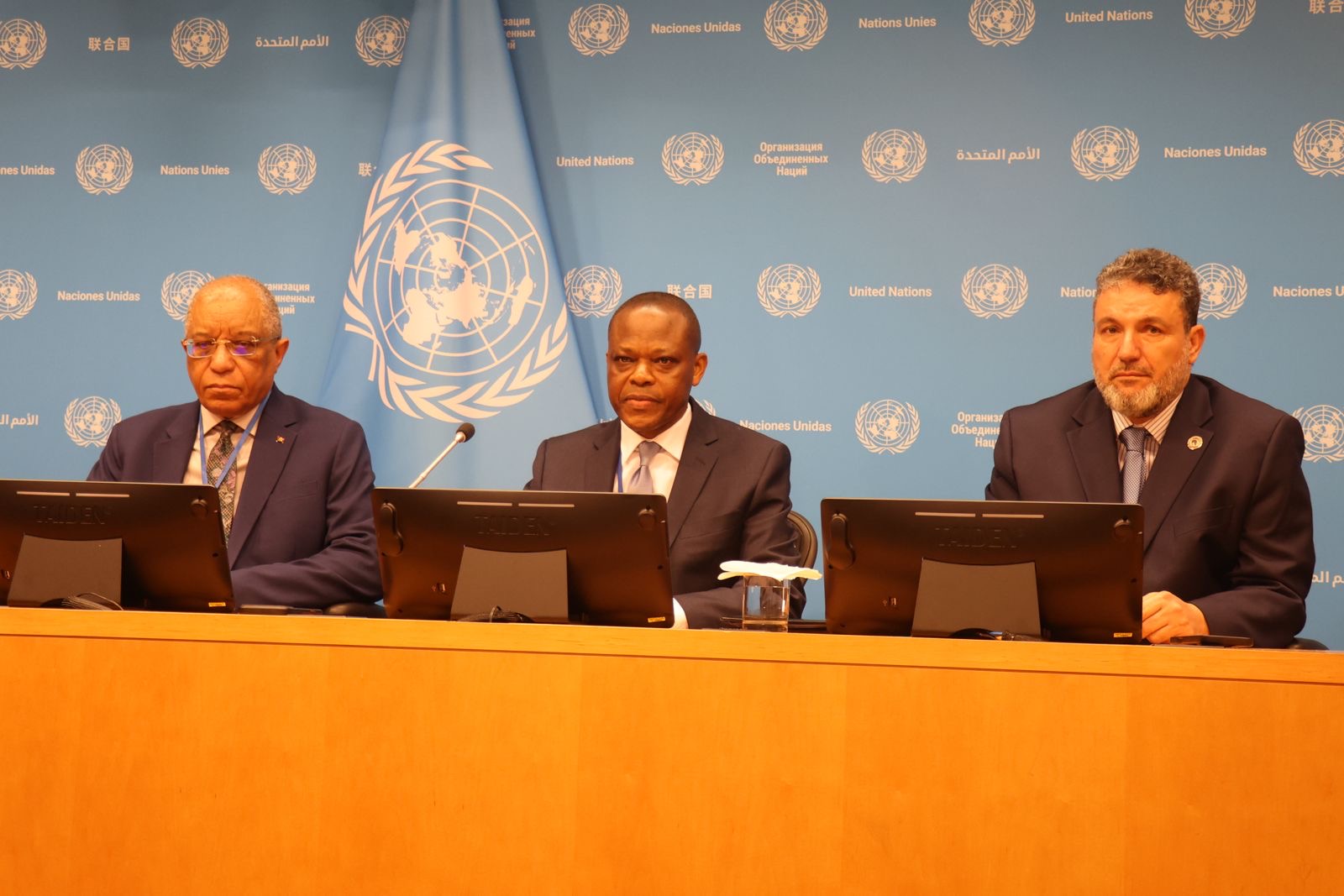
Addressing members of the press at the United Nations on Monday, Ambassador. Samuel Yao Kumah, Ghana’s Permanent Representative to the United Nation said the proposal reflects a collective continental mandate endorsed by the African Union and supported by African leaders.
The initiative follows a decision adopted at the 37th Ordinary Session of the Assembly of Heads of State and Government of the African Union in February 2024, which declared 2025 as the year for “Justice for Africans and People of African Descent through Reparations.”
Speaking at the briefing, the representative of the Africa Group said the effort was not the project of a single country but the result of coordinated action across the continent.
“This initiative did not arise suddenly, nor is it the undertaking of a single nation. It is the result of a clear continental mandate grounded in decisions taken at the highest political level of Africa’s multilateral institution”,he added.
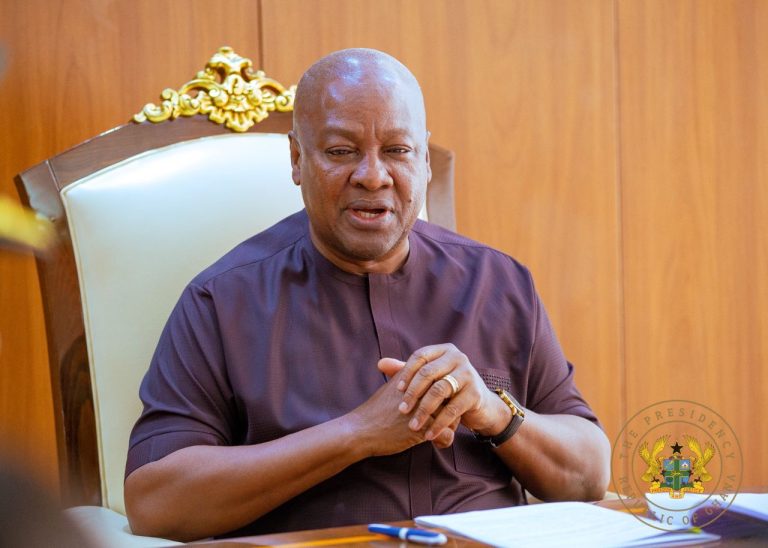
He said during the General Debate of the 80th Session of the United Nations General Assembly in September 2025, President Mahama announced Ghana’s intention to lead the process of tabling the resolution on behalf of the African group.
The proposal later received endorsement from African leaders at the 39th Ordinary Session of the African Union Assembly in February 2026, giving Ghana the mandate to formally submit the draft to the United Nations.
According to the Africa Group, the text of the resolution was developed through an extensive consultation process involving multiple rounds of negotiations among UN member states.
A vote on the resolution is expected on March 25, 2026, at the United Nations General Assembly.
The Africa Group also responded to concerns raised by some delegations that describing the slave trade in such terms could create a hierarchy among historical atrocities.
“Respectfully, that interpretation is misplaced,explaining that the resolution does not rank suffering or create a legal hierarchy of crimes against humanity but rather identifies a historical mechanism that reshaped the world”, he added.
The representative added that recognising the scale and systemic nature of the transatlantic slave trade would not diminish the suffering caused by other atrocities recognised under international law.
Amb. Samuel Yao Kumah said, supporting the resolution was not an act of accusation but rather an act of recognition and an affirmation that the international community has the moral confidence to name historical realities and learn from them.
He called on all United Nations member states to back the proposal when it comes before the General Assembly for a vote.
“Let this be a moment when the United Nations demonstrates that truth need not wait, history is watching and future generations are listening”, he added.
Joyce Adwoa Animia Ocran,ISD