A three billion cedi revolving fund is to be established to finance the construction of affordable homes and provide workers with mortgages repayable over 15 to 20 years.
The fund will be jointly created by government, organised labour, the Social Security and National Insurance Trust, and the Republic Bank of Ghana.
Housing companies including the State Housing Company and the Tema Development Corporation will draw credit from the fund to build homes, while banks will provide buyers with long-term mortgages.
In a notable departure from longstanding practice, all homes under the scheme will be priced and mortgaged in cedis rather than dollars, removing the currency risk that has historically turned manageable repayments into crushing burdens whenever the cedi came under pressure.
The revolving structure means that as mortgages are repaid, the money returns to the fund and finances further construction, creating a self-sustaining cycle of housing delivery that the government says will grow over time.
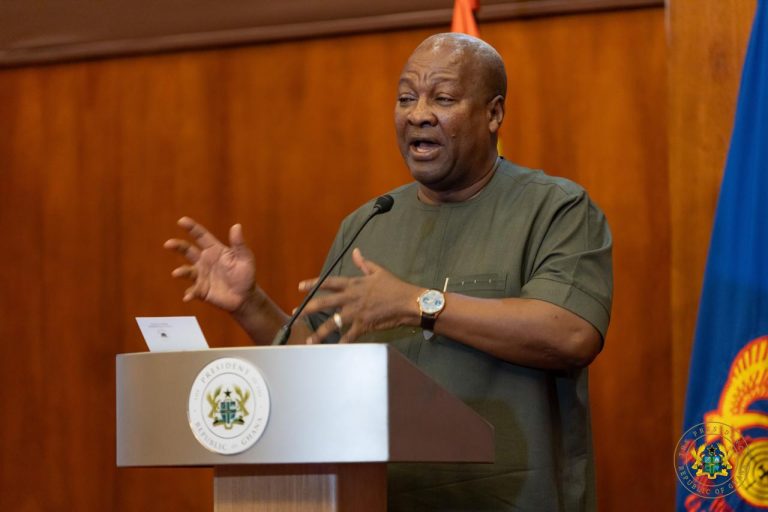
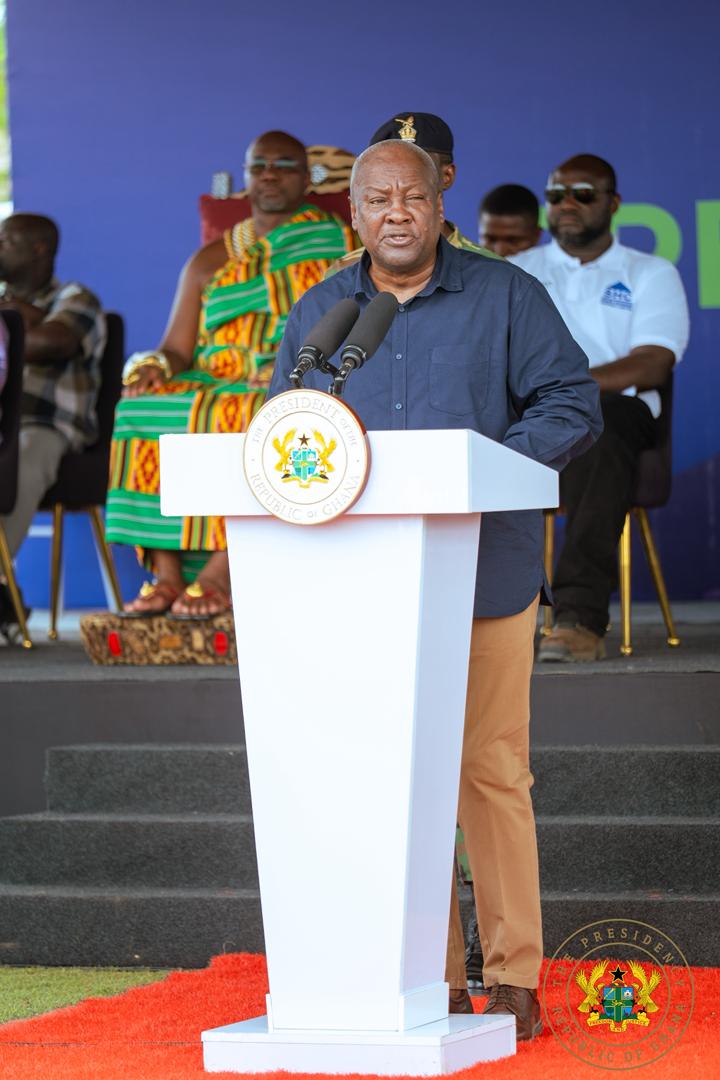
President John Dramani Mahama unveiled the arrangement at the sod-cutting ceremony for the Green City Housing Project at Dedesua in the Ashanti Region, saying the framework was designed specifically around the realities of Ghanaian incomes and the Ghanaian economic environment.
“This is a Ghanaian solution we have derived that is designed for our Ghanaian reality,” he said.
The President expressed confidence that the current stability of the cedi and the low inflation environment would prevent housing costs from rising steeply under the new framework, adding that indexing homes in cedis would protect buyers from the kind of mortgage inflation that hurt many Ghanaians in previous years.
The fund forms part of a wider housing agenda that includes a low-cost scheme for public sector workers such as nurses, teachers, doctors, and civil servants, the prioritisation of the long-stalled Saglemi affordable housing project for completion, and new social housing initiatives being rolled out at the district level.
The government has also committed to absorbing the cost of roads, drains, and gutters in new housing estates under the Big Push programme, so that infrastructure costs are not passed on to homebuyers.
President Mahama said the overarching goal was to move Ghana from a housing landscape defined by shortage to one built on shared prosperity, where decent shelter was treated not as a privilege but as a right for every Ghanaian.
Richard Aniagyei, ISD