The Ministry of Gender, Children and Social Protection is set to update the National Gender Policy (2025–2034) to mainstream gender concerns into national development processes.
This includes the National Youth Policy (2022–2032), placing young people as active partners in governance, with particular attention to young women and other underrepresented groups.
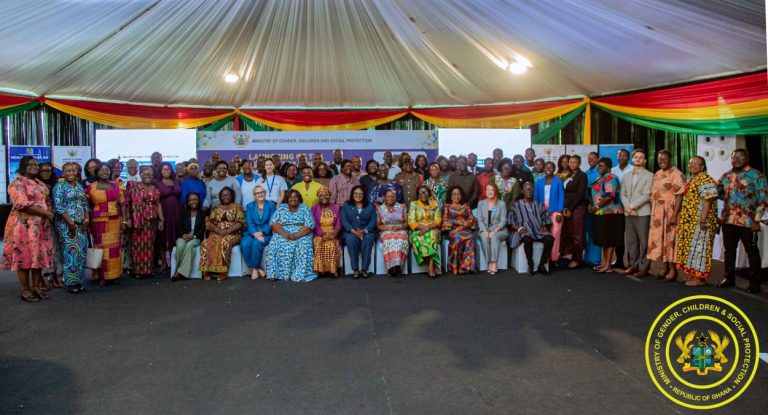
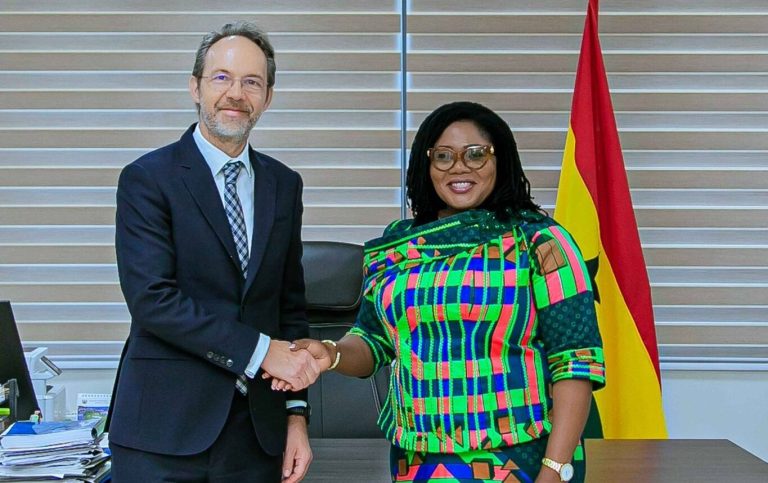
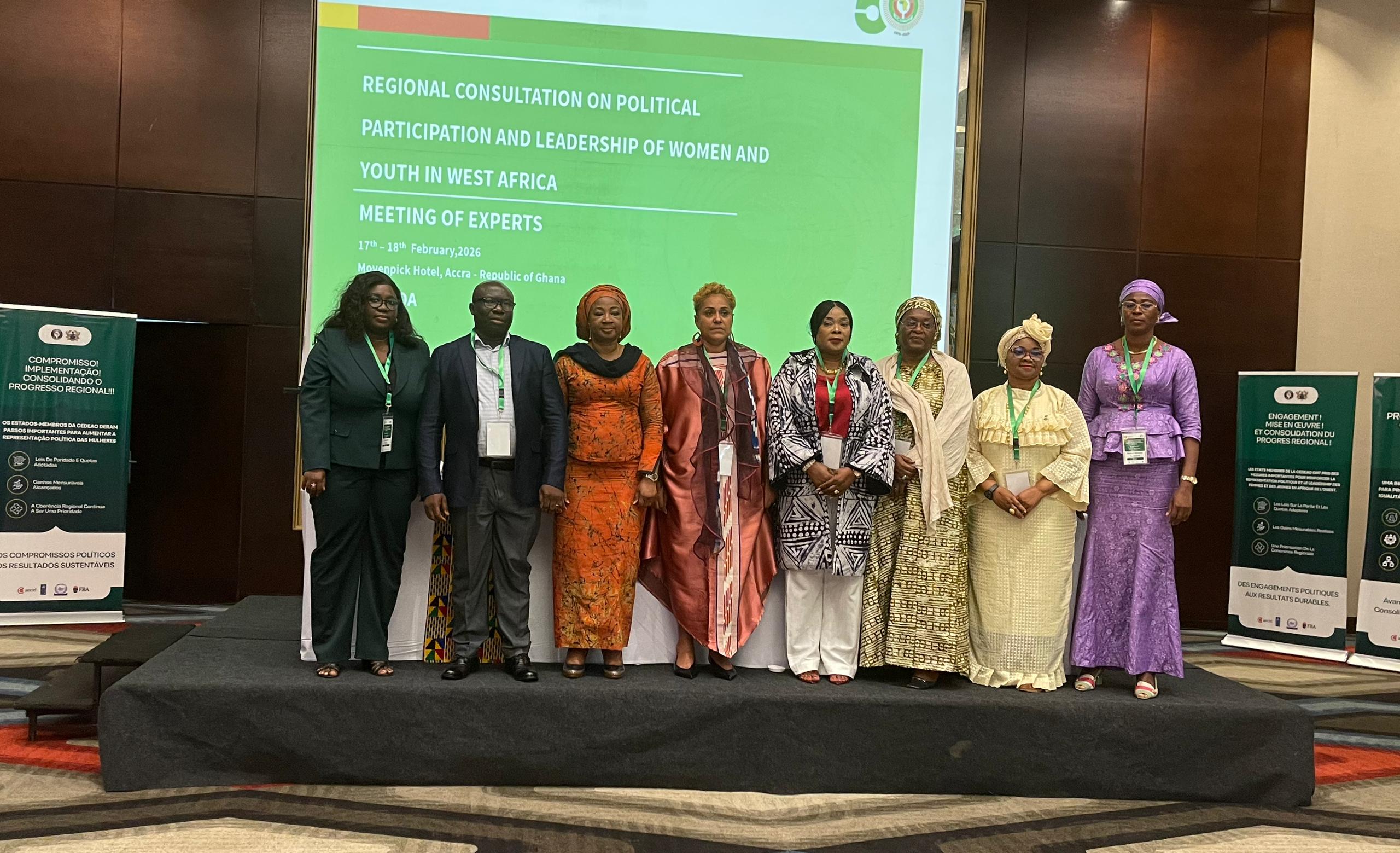
The Minister for Gender, Children, and Social Protection, Dr Agnes Naa Momo Lartey, said this in a speech read on her behalf at the opening ceremony of the regional consultation on political participation and leadership of women and youth in West Africa on Tuesday in Accra.
She reaffirmed the Government’s commitment to promoting gender equality and youth empowerment, in line with the Sustainable Development Goals, the African Union Agenda 2062 and the ECOWAS Gender Policy Supplementary Act.
She noted that the appointment of the country’s first female vice-president, Professor Jane Naana Opoku-Agyeman, was a great achievement in good governance.
This development, she stated, has expanded representation of women and young people in key government roles.
The Minister stated that the Government of Ghana would advance the resetting agenda in all sectors, including political and leadership participation, to ensure that no one is left behind in the development process of the country.
“This agenda is being pursued through systematically addressing the structural, institutional, financial and socio-cultural barriers that hinder the full participation and representation of women and youths,” she said.
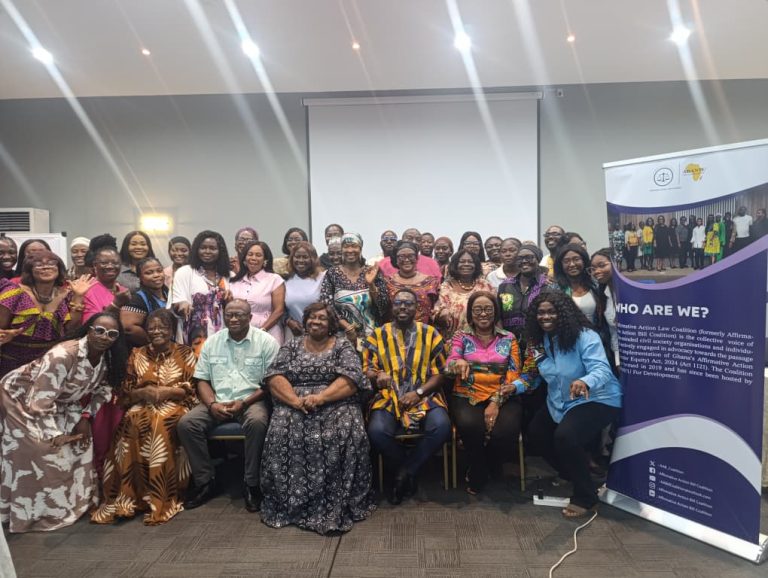
According to her, the enactment of the Affirmative Action (Gender Equity) Act, 2024 (Act 1121), marks a historic breakthrough in Ghana’s governance framework.
“This law gives legal backing in promoting women’s representation in political and public leadership while creating accountability mechanisms to ensure compliance across public and private institutions,” she said.
She reiterates the ministry’s unwavering commitment to advancing the political participation and leadership of women and young people as a foundation of inclusive governance and sustainable development.
She said the Ministry of Gender, Children and Social Protection will continue to ensure the full and effective implementation of the Affirmative Action (Gender Equity) Act, 2024, including the operationalisation of its legislative instruments and strengthening the enforcement mechanisms, adding that the Ministry stands ready to continuously work with ECOWAS Commission and other key stakeholders to promote this shared agenda.
“We remain committed to learning from you, sharing our experiences and contributing actively to regional frameworks that advance inclusive leadership, peace and democratic resilience,” she stated.
On her part, the Director of the ECOWAS Centre for Gender Development, Mrs Sandra Oulaté Fattoh, stated that ECOWAS would be pushing for a new, legally binding regional framework to enforce equal representation for women in politics.
She stressed that young people must be viewed as “actors of governance in their own right,” not merely as tools for electoral mobilisation. Strengthening youth leadership through existing networks and mentoring programs was outlined as a parallel priority.
The main objective of the Legacy Project/Fiftieth Anniversary Commemorative Project is to encourage Member States to adopt the legislative reforms necessary to strengthen the political participation and leadership of women and young people by 2035.
The four-day regional engagement forms part of the activities under ECOWAS 50thAnniversary legacy project aimed at promoting gender parity and inclusive leadership across Member States.
Grace Acheampong, ISD