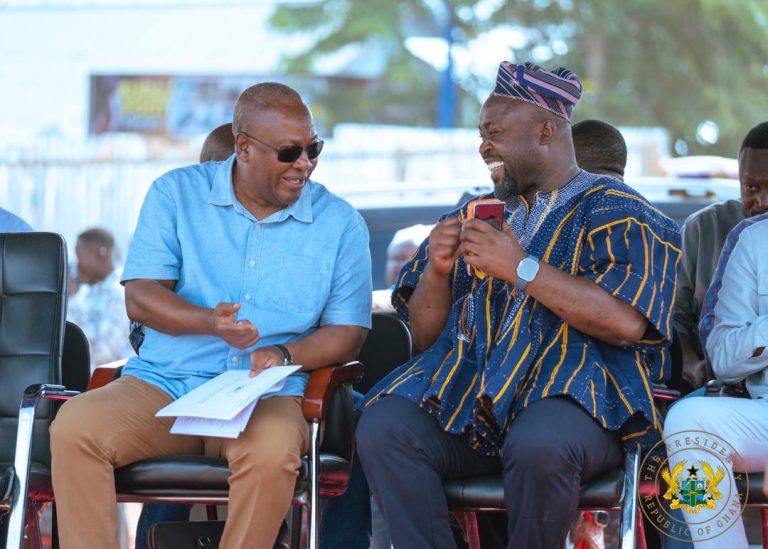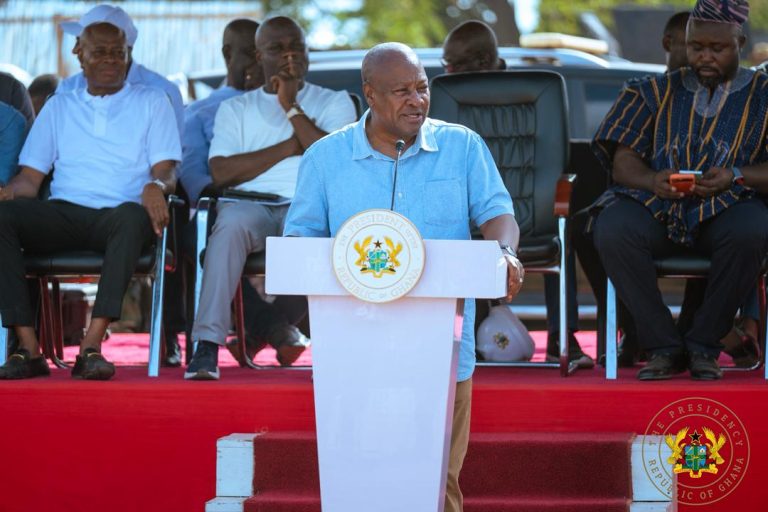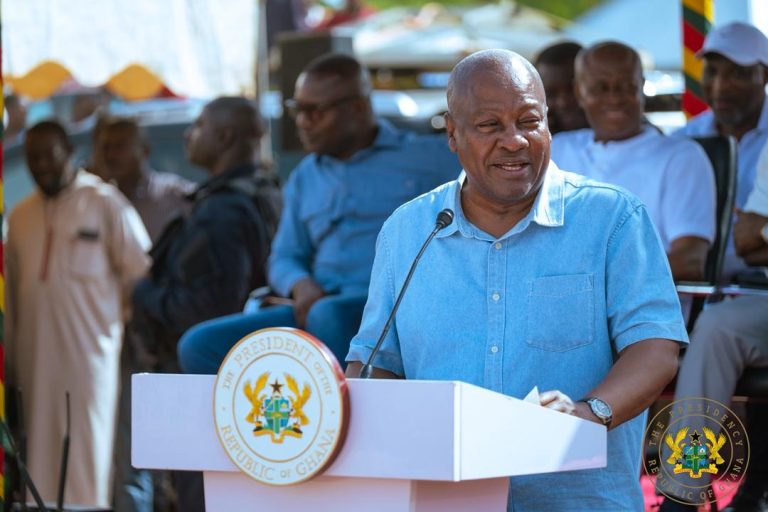
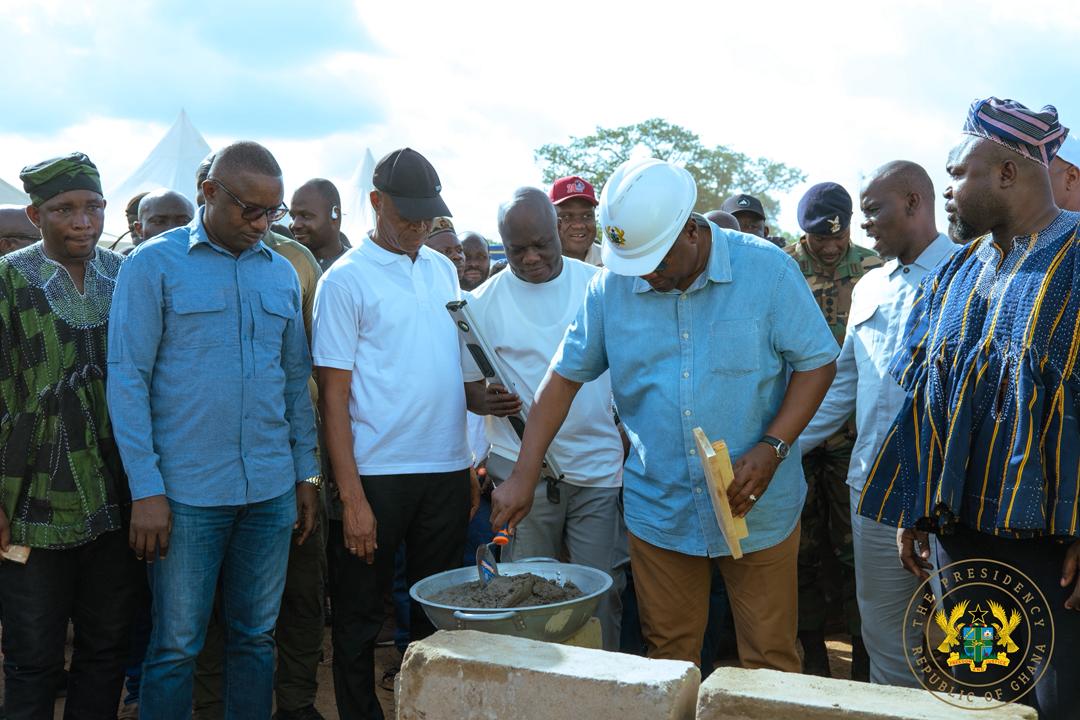
A college of education for Bole in the Savannah region is finally moving from plan to reality, with President John Dramani Mahama cutting the sod for the long-awaited institution on Friday during his Resetting Ghana working tour of the region.
The project has been in the works since Mahama served as Member of Parliament for Bole-Bamboi, making Friday’s groundbreaking a moment the President described as deeply personal.
“This is a dream come true,” he told those gathered at the ceremony. “Today is a very proud moment for all of us, that finally this project is coming to pass.”
Funded by the Ghana Education Trust Fund, the college will have a capacity to take in 1,500 students.
Construction is expected to run for several months, after which the President said he would return to commission the completed facility.
President Mahama recalled that Bole had no tertiary institution at all when he first began pushing for the project, leaving young people from the area with no choice but to travel to other parts of the country to access higher education.
He said the first step was securing a nursing training college, which has since graduated several nurses now working within the public health system.
The college of education was always the next goal, though funding challenges delayed its start.
“Things didn’t go very well and we couldn’t start it,” he acknowledged, pointing to the existing foundation as evidence of earlier attempts to get the project moving.
Beyond the college of education, the President announced that a new STEM secondary school is being built in Tenga and a new technical and vocational education and training centre is coming to Kulmasa.
He also announced that a new university of science and technology is being built for the Savannah region, with a site inspection planned for the following day.
Mahama framed all the projects as part of a deliberate effort to close the development gap between the north and the rest of the country.
“We know that poverty is endemic in our area, and education is one of the means of social mobility, getting our people to be able to take their destiny into their own hands,” he said.
Richard Aniagyei, ISD