Ghana is on track to exit funding from GAVI, the global vaccine alliance, by 2030 and is positioning itself to transition from a recipient of vaccine financing to a donor.
The transition away is one of several concrete steps Ghana was taking to demonstrate that health sovereignty was not a theoretical concept but a practical and achievable goal.
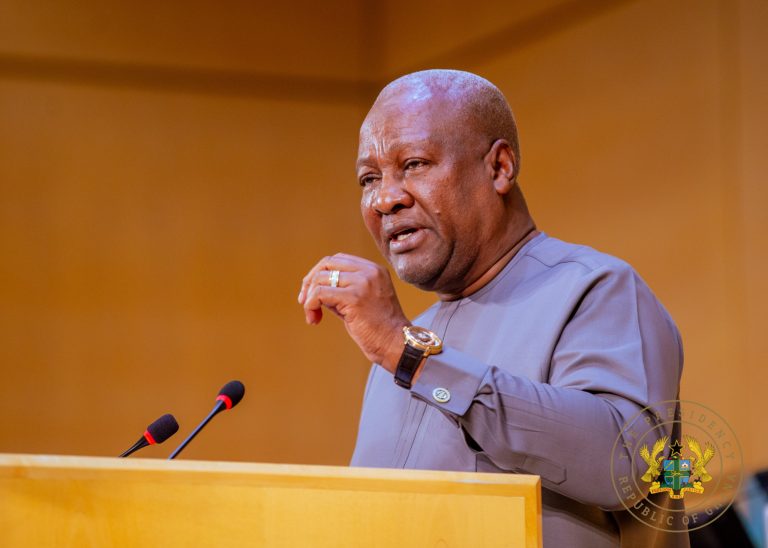
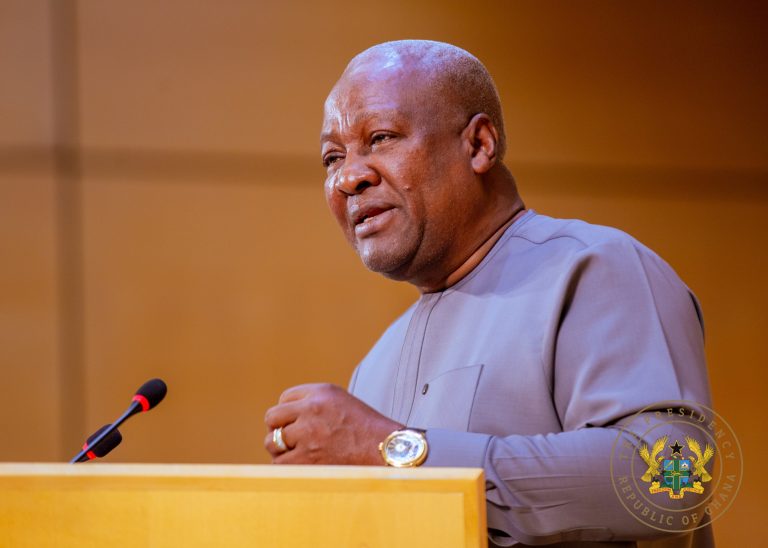
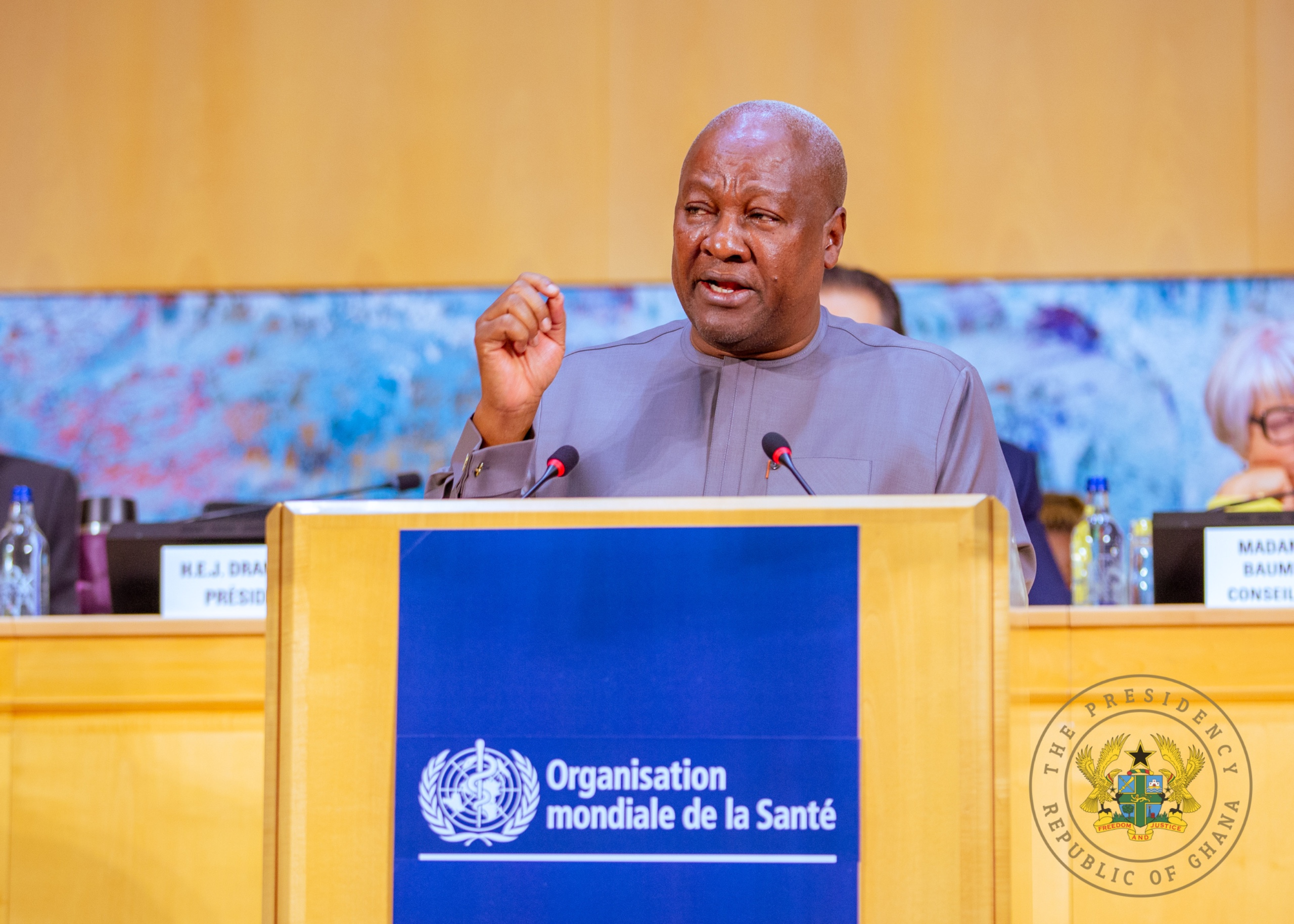
President John Dramani Mahama disclosed this at the 79th World Health Assembly in Geneva on Monday, where he used Ghana’s domestic health progress to make the broader case for health sovereignty across the Global South.
The announcement came as the President mentioned a series of reforms his administration had implemented since taking office.
“The National Health Insurance Scheme now covers approximately 66 percent of the population as of the end of 2025, with the recently launched Free Primary Healthcare programme targeting the remaining 34 percent who had no cover,” he emphasised.
By removing financial barriers to basic services at the rural level, the President said, Ghanaians in the remotest parts of the country now had access to quality healthcare on par with their urban counterparts.
The government had also removed the cap on the NHIS fund, immediately freeing up an additional GHS 3 billion, equivalent to $300 million, for healthcare investment.
Digital tools, including artificial intelligence, were being used to detect fraudulent claims, and the government had prioritised prompt payment to service providers, which President Mahama said was the foundation of trust between the state and the hospitals that delivered care.
He stated that the 2026 budget had committed GHS 34 billion to health, expanding coverage to 20 million people, and that the country was not lecturing from theory but building the evidence of what a sovereign health system looked like in practice.
President Mahama said Africa’s position in global health remained deeply troubling.
The continent carried 25 percent of the global disease burden but manufactured less than one percent of its vaccines.
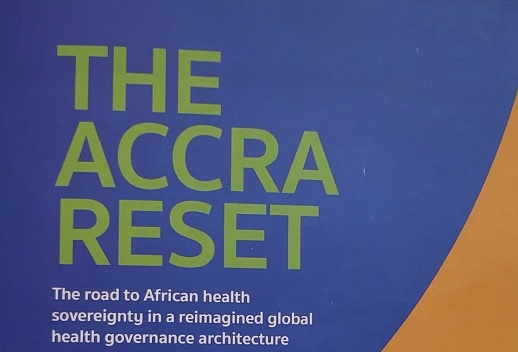
That imbalance, he said, was not sovereignty. It was vulnerability, and it was the condition the Accra Reset Initiative was designed to permanently change.
Richard Aniagyei, ISD