Government has secured a $300 million facility from the World Bank to upgrade 50 senior high schools across the country under an initiative called the Transformative Secondary Education for Access, Results and Relevance for Jobs programme, known as STARR-J.
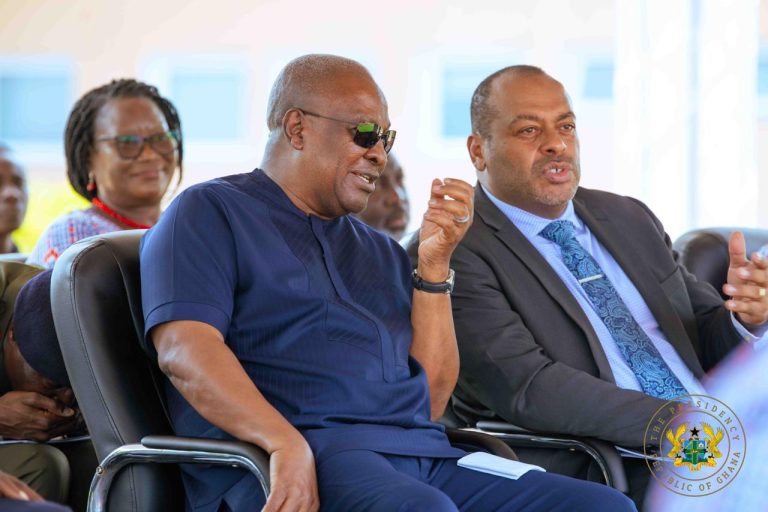
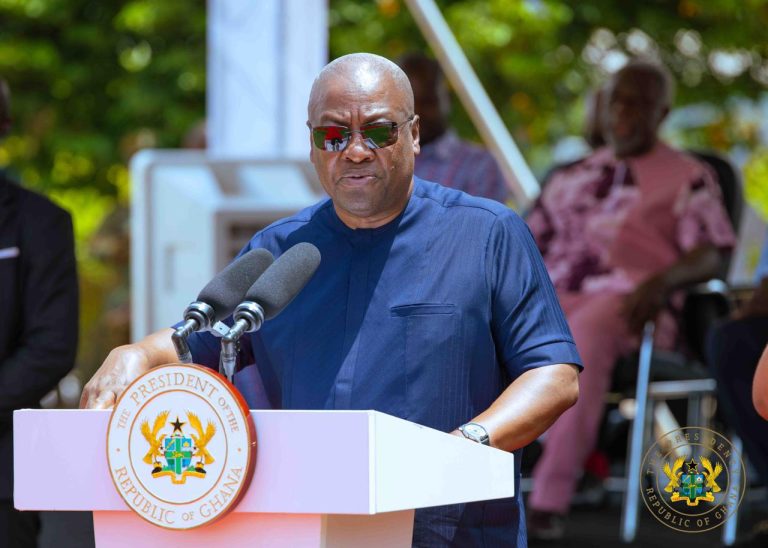
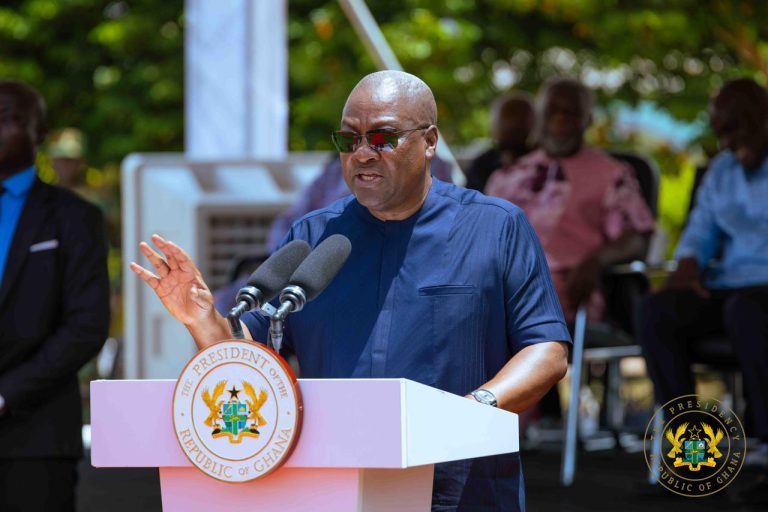
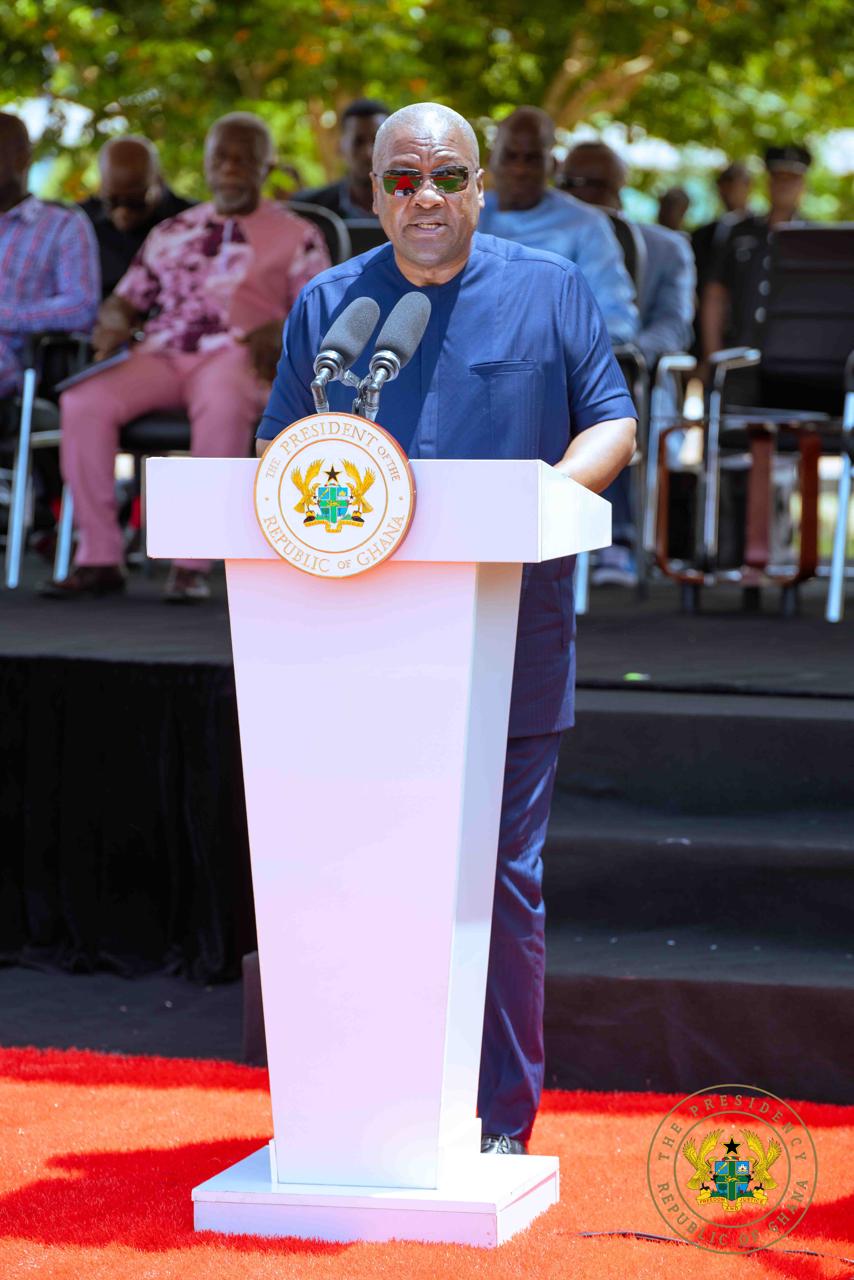
President John Dramani Mahama announced this at the commissioning of a PET scan facility at the Swedish Ghana Medical Centre in Accra on Wednesday, describing the investment as one designed not just to expand infrastructure but to promote equity, improve quality, and widen opportunities for every Ghanaian child.
Under the programme, 30 category C senior high schools will be upgraded to category B, and 20 category B schools will be upgraded to category A.
The project will also introduce community day schools through the construction of new e-blocks in urban and peri-urban communities, bringing secondary education closer to families and easing the pressure on boarding facilities across the country.
President Mahama said STARR-J would also help Ghana achieve its target of ending the double-track system in all senior high schools by 2027, giving teachers more time to prepare teaching materials and rest between terms.
Beyond infrastructure, the programme places strong emphasis on teacher development. All secondary school teachers will benefit from continuous professional development programmes covering digital literacy, critical thinking, artificial intelligence integration, and learner-centred teaching approaches.
“Our objective is clear: to ensure that every teacher is not only well qualified but also continuously empowered to deliver relevant high-quality education that prepares our young people not merely for examinations but for life, work, innovation and national development,” the President said.
The President said the STARR-J project would also cover technical and vocational education and training institutions, ensuring that improvements in quality extended across all categories of secondary education and aligned with the skills demands of a modern and competitive economy.
Richard Aniagyei, ISD