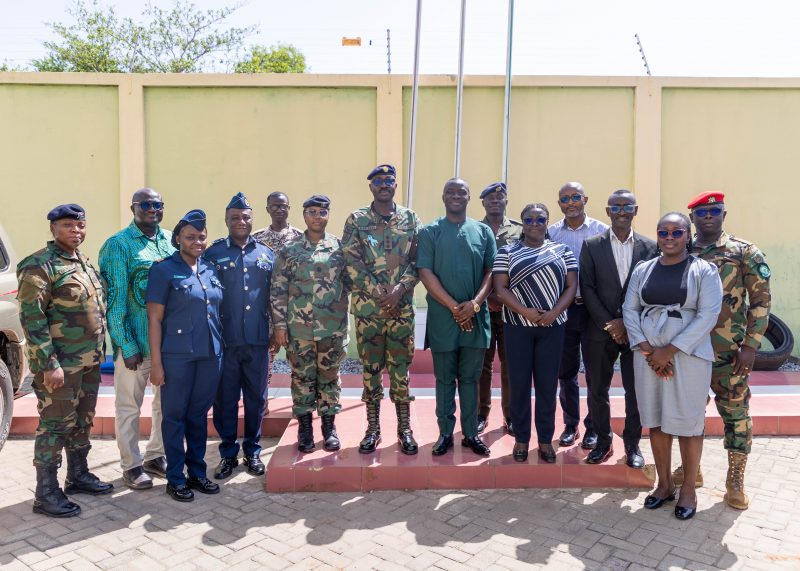
The Ghana Armed Forces (GAF) has partnered with the Narcotics Control Commission (NACOC) to develop a comprehensive Mental Health Policy to strengthen the psychological well-being of military personnel and address substance use within the ranks.
The collaboration marks a step toward promoting mental wellness and operational readiness in the Armed Forces, as leadership moves to establish stronger health support systems for service members and their families.
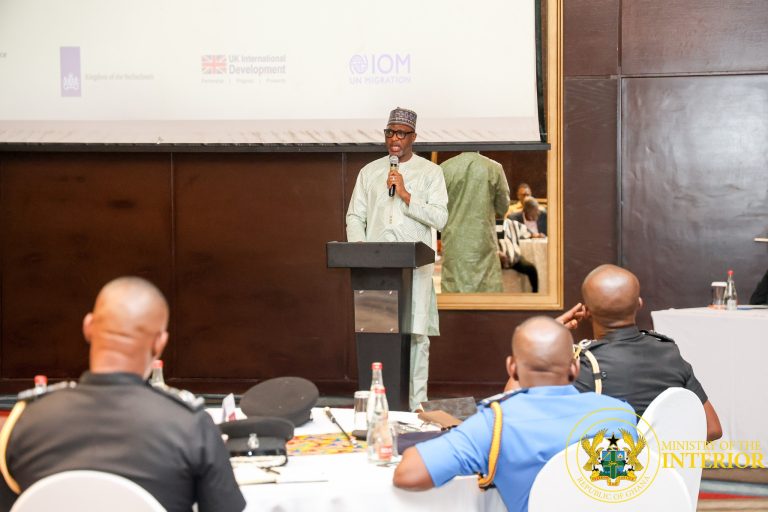
During the meeting, the Director-General of the Narcotics Control Commission (NACOC), Brig Gen Maxwell Obuba Mantey, briefed GAF management on national drug control strategies, prevention frameworks, and rehabilitation approaches to help shape the policy.
The discussions focused not only on addressing substance misuse but also on building a culture that promotes resilience, early intervention, and accessible support.
He proposed the establishment of Drug-Free Clubs for youth and dependents living in military barracks. Unlike traditional awareness programmes that focus primarily on the dangers of drugs, these clubs would prioritise practical life skills development.
The Director-General also revealed plans to operationalise the Substance Use Disorder (SUD) Fund to support treatment and recovery initiatives.
He noted the intention to expand the number of Drop-in Centres nationwide, free and easily accessible facilities where individuals struggling with drug use can receive immediate counselling and assistance without prior appointments.
To support early detection within the Armed Forces, Mr Mantey recommended integrating substance use screening tools into routine medical and psychological assessments.
“This approach is expected to help identify early signs of drug misuse and mental health challenges among personnel before they escalate. Further proposals include piloting a Drug-Free Barracks Initiative aimed at promoting healthy living environments across military communities,” he stated.
He encouraged the Armed Forces to promote a culture of mental wellness, maintain zero tolerance for drug misuse, and create a supportive atmosphere where personnel can seek help without fear of stigma.
He recommended the creation of a direct and confidential referral system from command units to NACOC’s counselling unit, ensuring that service members in need of assistance can access professional support promptly and discreetly.
Mr Mantey offered to organise Universal Prevention Curriculum (UPC) and Universal Treatment Curriculum (UTC) training programmes for GAF medical officers and command staff.
Judith Twumwaa, ISD