
The Ministry of Trade, Agribusiness and Industry is set to implement the Accelerated Export Development Programme to expand exports beyond traditional products.
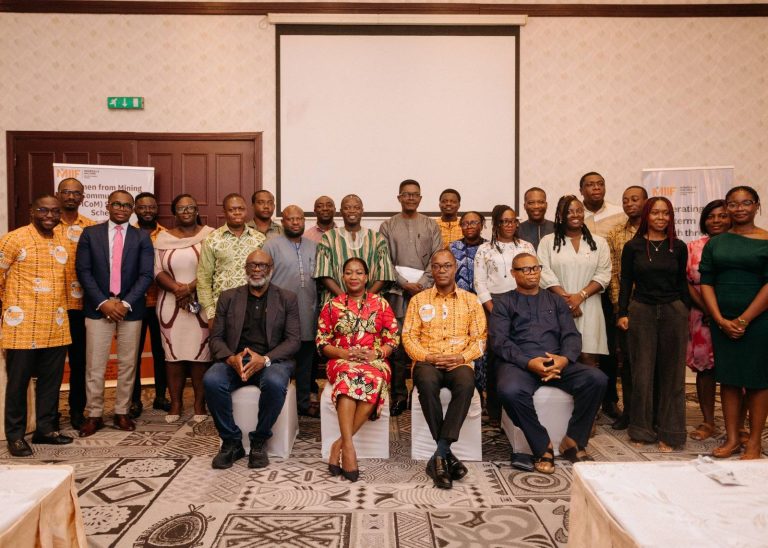
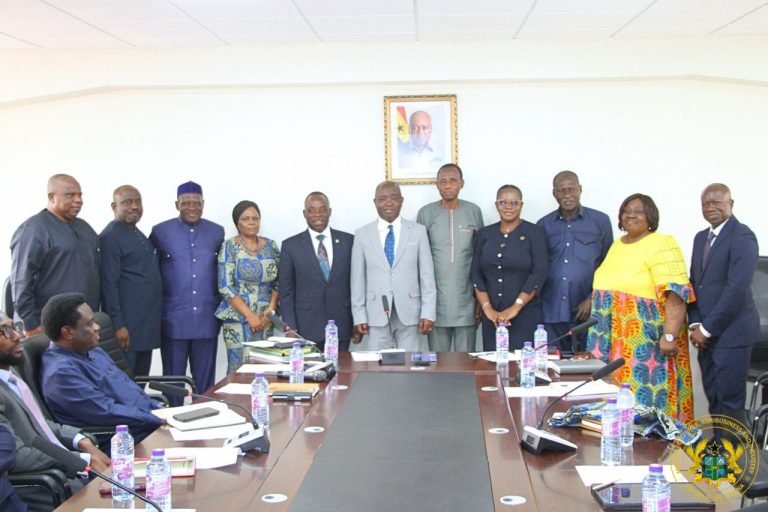
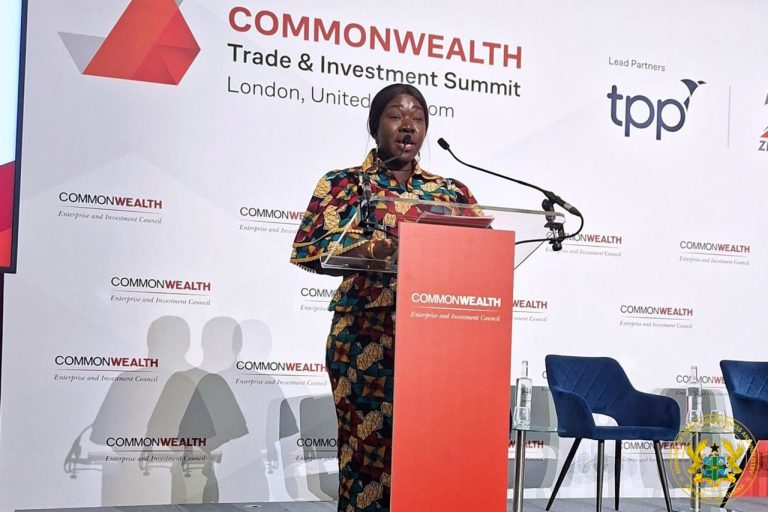
The Minister for Trade, Agribusiness and Industry, Mrs Elizabeth Ofosu-Adjare, disclosed this at the Ministry’s 2026 sector planning workshop held on Monday in Accra.
She outlined the government’s plans to expand exports, advance industrial growth, and strengthen local production as it begins planning for the 2026 to 2029 period.
She said the workshop provided an opportunity to align the Ministry’s priorities with its medium-term development objectives. She commended heads of agencies, directors, and staff for their commitment and said the sector’s performance in 2025 reflected strong collaboration across trade, agribusiness, and industry.
The Minister clarified that the workshop aimed to develop the 2026 Annual Action Plan and to commence implementation of the Sector Medium-Term Development Plan for 2026 to 2029. She stated that the process would harmonise the action plans of directorates and agencies with agreed priorities and objectives.
She described trade, agribusiness, and industry as core to the national economy and said achieving results would require shared responsibility. She noted that the workshop was structured to help agencies jointly design activities that support sector priorities and deliver the objectives of the medium-term plan.
Mrs Ofosu-Adjare reiterated the government’s target of generating 10 billion dollars in export earnings from these products by 2030 and called for coordinated action across agencies and directorates.
She also announced the Feed Industry Programme, which will focus on increasing local raw material supply through contract farming.
“The Ministry plans to enter into contract farming arrangements in 2026 to supply Ekumfi Fruit and Juices Limited in the Central Region,” she stated.
On industrial development, the Minister said the government would implement the Rapid Industrialisation for Jobs Programme to support value addition, revive state-owned enterprises, and create jobs.
“The focus for 2026 would be the revival and operation of the Komenda Sugar Factory, Pwalugu Tomato Factory, Volta Star Textiles Limited, Akosombo Textiles Limited, and the Wulugu Meat Factory. Attention would also be given to the textile and garment, pharmaceutical, and automotive sectors,” she added.
She highlighted the Made in Ghana Programme, which aims to promote locally manufactured products and said activities would focus on product certification, improved quality and competitiveness, reduced imports of selected goods, increased consumer awareness, and investment in strong national brands.
The Minister also emphasised gender inclusion and described the Women in Trade, Agribusiness and Industry Programme as a priority. She said the programme seeks to promote equity and economic empowerment by integrating women into value chains and providing targeted support for women entrepreneurs and farmers.
On implementation, she said results-based monitoring would guide execution of the plan. She announced the introduction of a Sector Accountability Platform through which heads of agencies and directors will report on progress toward 2026 targets to help identify implementation gaps and support the timely delivery of planned outcomes.
Irene Wirekoaa Osei, ISD