President John Dramani Mahama has directed NADMO and a government task force to map all restricted waterways across the country and demolish structures illegally built within them, as unusually heavy rainfall lays bare the scale of Accra’s flooding problem.
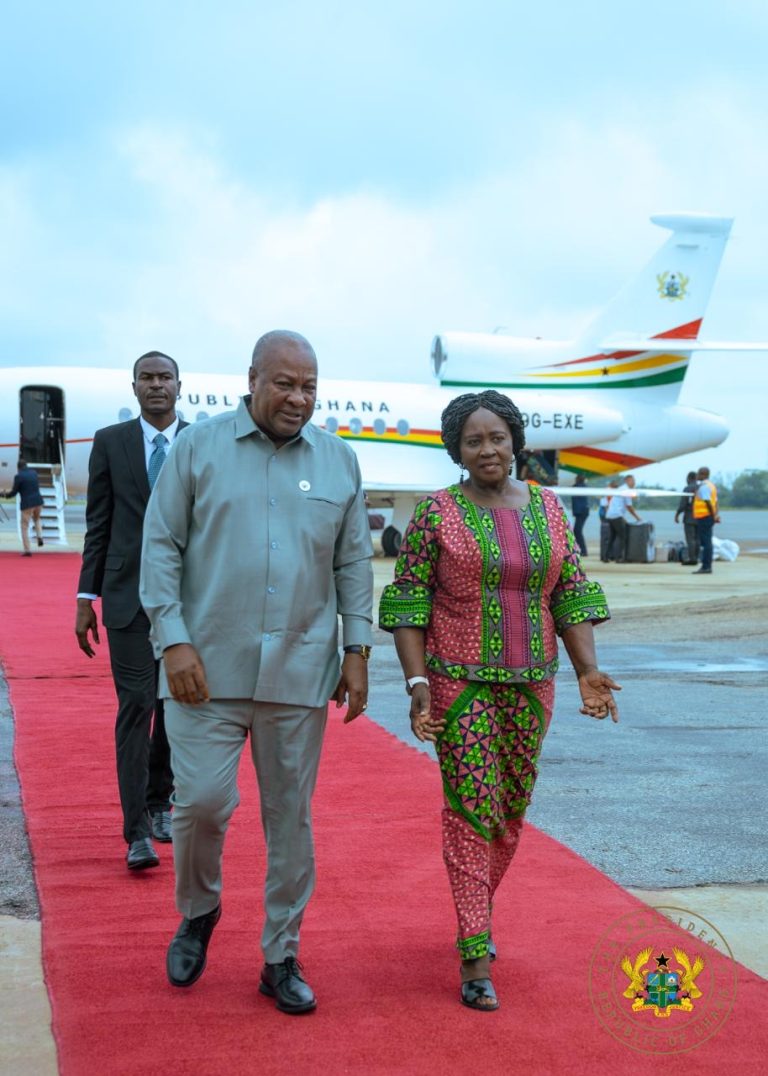
The President gave the directive on Tuesday upon his return from a state visit to the United Kingdom and Belarus, saying government would act firmly on the flooding crisis even where demolitions proved unpopular.
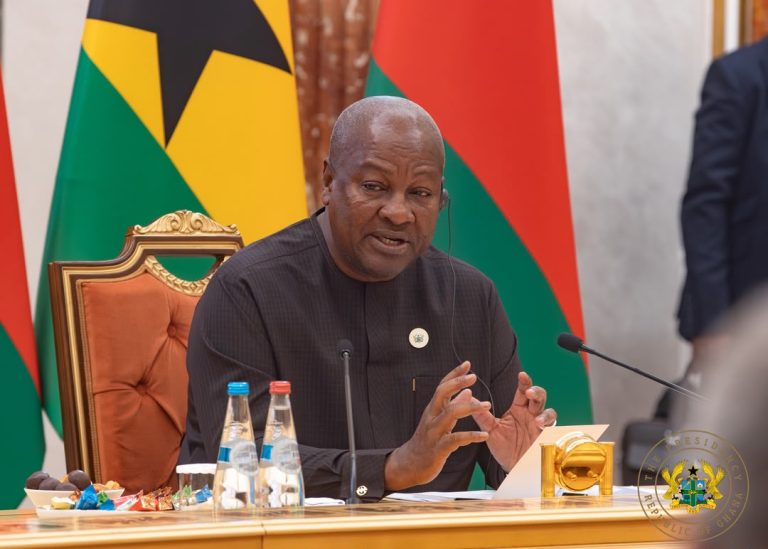
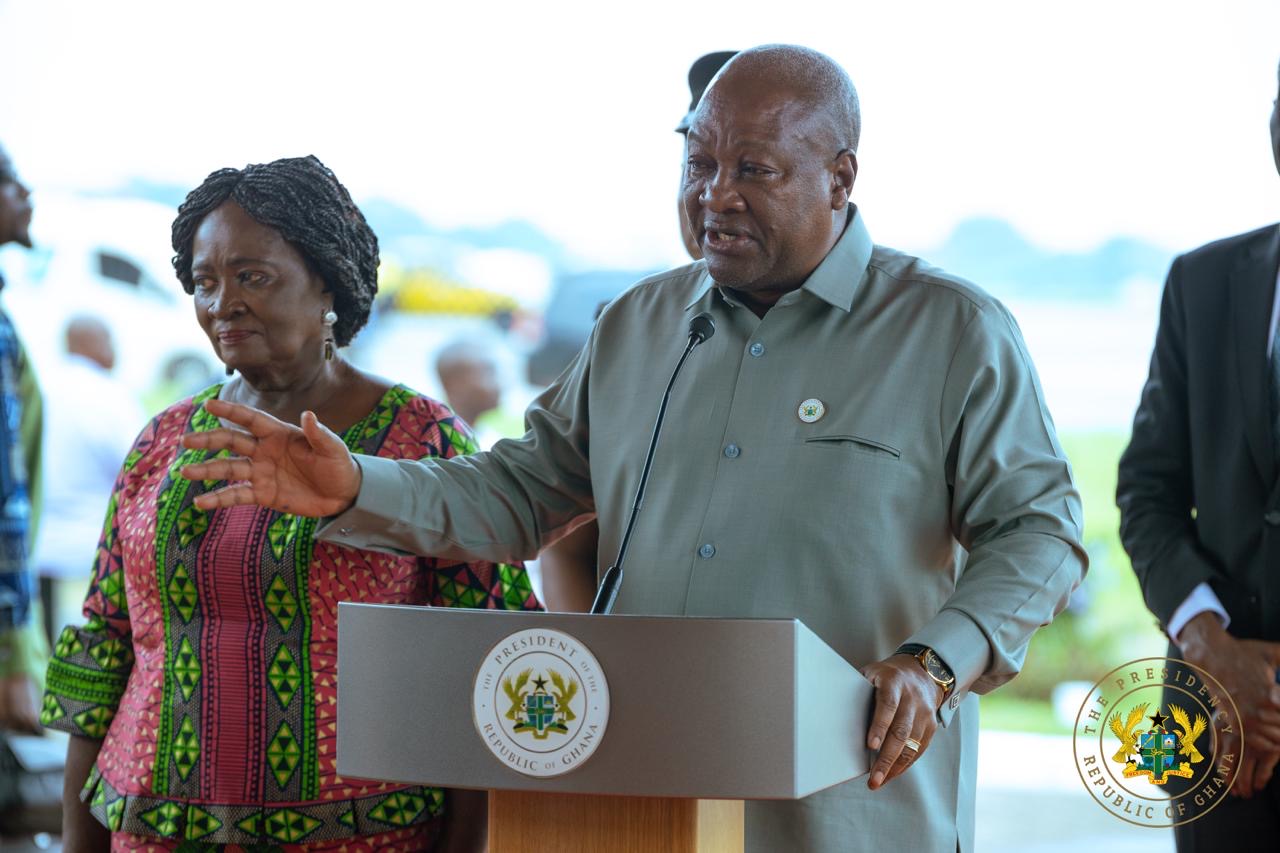
“I have directed a task force, NADMO and others to do a presentation. We will identify all restricted waterways. I am giving the directive to go ahead and do what must be done. I hope all Ghanaians will understand that it is government business to protect the safety of all of us,” President Mahama said.
He acknowledged the work of Vice President Prof. Naana Jane Opoku-Agyemang, who visited flood-affected communities and sites of recent building collapses while the President was abroad, describing her response as proactive.
President Mahama said this year’s rains had been unusually heavy, beginning in May and continuing into June, and that the intensity of the flooding was a direct consequence of decades of poor urban planning, blocked drainage systems and encroachment on wetlands and waterways.
He said underground drains across Accra were choked with plastics, food packaging and styrofoam, and that the habit of dumping refuse into gutters during rainfall had worsened the situation residents experienced in their own homes.
“When it rains, we pour garbage into drains. Yes, you have disposed of it from your house, but it chokes the drains and backs up into your house when the rains come,” he added.
The President warned that Accra was rapidly running out of the green spaces that absorb rainwater before it reaches built-up areas.
He identified the Children’s Park and Achimota Forest as the last remaining buffers in the city, and said both were under threat from encroachment and development.
He said wetlands that had historically absorbed and slowly released water into the Atlantic Ocean were being filled and built over, compounding the flood risk the city faced every rainy season.
On the question of responsibility, President Mahama spread the blame across multiple actors.
He said those who sold land in restricted areas, district assemblies that granted building permits in waterway zones, and residents who dumped waste into drains all shared in the problem that government was now being forced to fix.
He defended demolitions carried out by the Greater Accra Regional Minister and her team in wetland areas, saying the action, though described by some as inhumane, was necessary and legally grounded.
President Mahama called on Ghanaians to change their behaviour and said the Government communications Department would produce educational materials, including content on new media and short skits, to show citizens what conduct was driving the flooding crisis.
He closed with a warning against repeating the cycle of alarm without action, drawing on a local proverb about a vulture who delays repairing his roof until the rain stops, then forgets until the next storm arrives.
“This time, we must really repair the roof,” he exclaimed.
Richard Aniagyei, ISD